How to Grow Cucumber
Beginner-FriendlyCucumis sativus
Fast-growing warm-season vine. Bush varieties suit square-foot gardens. Pick frequently to encourage production.
Last updated: June 2026
Choosing the Right Variety
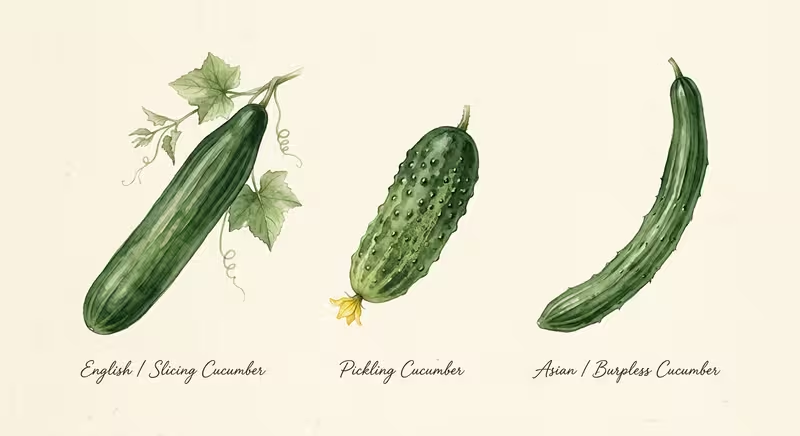
Cucumbers fall into three main categories, and knowing which you want will save you from planting the wrong type. Slicers (Marketmore, Straight Eight, Diva) are the classic fresh-eating cucumbers — smooth-skinned, 6–8" long, and crisp when picked young. Pickling cucumbers (Boston Pickling, National Pickling, Homemade Pickles) are shorter, bumpy-skinned, and bred to stay crunchy in brine. Burpless or Asian types (Tasty Jade, Suyo Long, Japanese Climbing) are thin-skinned, seedless, and mild — excellent for salads and people who find regular cucumbers bitter.
Beyond type, cucumbers come in two growth habits. Vining cucumbers grow 6–8 feet long and produce the most fruit per plant when trellised. Bush cucumbers (Spacemaster, Bush Champion, Salad Bush) stay compact at 2–3 feet and work well in containers or small beds, but produce fewer fruits.
One more distinction worth knowing: some modern varieties like Diva are parthenocarpic (they set fruit without pollination) and predominantly female-flowered. These won’t follow the typical “male flowers appear first” pattern and don’t need pollinators to produce — making them excellent for enclosed spaces or areas with low bee activity.
Starting from Seed
Cucumbers prefer to be direct-sown into warm soil. They germinate fast (3–7 days at 70–85°F) and grow rapidly once established. Direct sowing avoids the transplant shock that often sets cucumber seedlings back by a week or more.
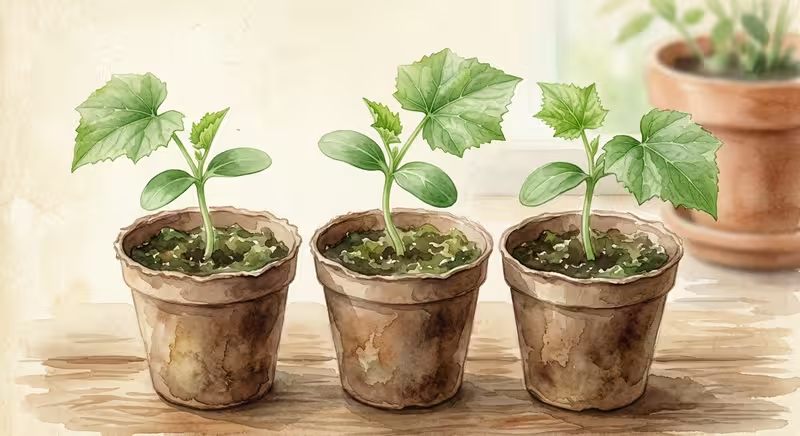
If your growing season is short (under 100 frost-free days) or you want a head start, start seeds indoors 3–4 weeks before your last frost date. Use biodegradable pots (peat pots or cow pots) that can be planted directly into the soil — cucumbers resent root disturbance. Plant seeds ½" deep and keep soil at 70–80°F.
Whether direct-sowing or transplanting, do not plant until soil has warmed to at least 60°F (ideally 70°F). Cucumbers planted in cold soil rot rather than germinate. In raised beds, soil warms faster, giving you a head start of 1–2 weeks over in-ground planting.
Transplanting & Spacing
In square foot gardening, cucumbers get 2 plants per square foot when trellised vertically. This density works best with compact or short-vined varieties; vigorous vining types (like Suyo Long or Japanese Climbing) often perform better at 1 per square foot to avoid overcrowding. Without a trellis, they need much more space — each plant sprawls 4–6 feet in every direction. Vertical growing is strongly recommended: it saves space, keeps fruit clean, improves airflow, and makes harvesting easy.
If starting indoors, transplant seedlings when they have 2–3 true leaves. Handle the root ball gently — cucumbers are in the cucurbit family and don’t recover well from root damage. Plant at the same depth as the pot (do not bury stems — unlike tomatoes, cucumber stems are hollow and rot-prone when buried rather than developing adventitious roots). Water immediately and deeply after transplanting.
2 per square foot (trellised)
When grown vertically on a trellis, cucumbers fit 2 per 12″×12″ square. The plants grow up rather than out, making this the most space-efficient approach.
View full spacing chart →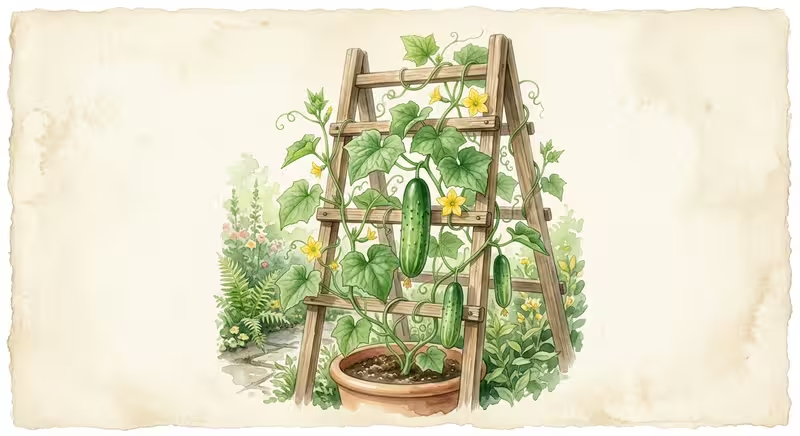
Support & Trellising
Cucumbers are natural climbers with tendrils that grab onto anything they touch. Trellising transforms cucumber growing from a sprawling ground-cover operation into a tidy, vertical, high-yield system.
- A-frame trellis: Two panels leaning together. Plant on both sides. Great for wide beds and easy to build from lumber and string or wire mesh.
- Cattle panel or wire trellis: A 16-foot cattle panel bent into an arch or mounted vertically. Strong enough to support heavy fruit. The gold standard for cucumbers.
- String trellis: Vertical strings from an overhead bar, one per plant. Train the main vine up the string. The simplest and cheapest option.
- Pea netting: Inexpensive nylon or jute netting stretched between posts. Works well for lighter varieties. May sag under heavy fruit loads.
Train young vines to the trellis by gently weaving them through the supports. Once tendrils grab on, they’ll climb on their own. Some growers pinch lateral branches below the first 12″ to direct energy upward — this is mainly useful for single-leader greenhouse training and isn’t necessary for most outdoor garden setups where branching produces extra fruit.
Watering & Feeding
Cucumbers are 95% water, and they grow fast. They need consistent, abundant moisture — about 1–1.5 inches per week minimum, and more in hot weather. Inconsistent watering is the #1 cause of bitter cucumbers. Water deeply at the base of the plant; avoid wetting the leaves, which invites powdery mildew.
Mulch heavily (3–4" of straw or shredded leaves) to retain moisture and keep roots cool. Cucumbers have shallow roots that suffer in hot, dry soil. Drip irrigation on a timer is the ideal setup — it delivers consistent moisture without human error.
Fertilize at planting with compost or a balanced fertilizer. Once vines begin flowering, side-dress every 2–3 weeks with compost or a balanced organic fertilizer. Cucumbers are moderate feeders — less demanding than tomatoes but more so than beans or peas.
Common Problems
Bitter Fruit
Caused by water stress or temperature extremes. The plant produces cucurbitacin (a defense compound) when stressed. The fix: consistent watering, mulch, and shade cloth during extreme heat waves. Some varieties (Diva, Tasty Jade, Marketmore) are bred for low bitterness.
Powdery Mildew
White, powdery patches on leaves, typically appearing mid to late summer. Improve airflow (trellising helps enormously), water at the base, and plant mildew-resistant varieties. Affected leaves can still photosynthesize partially — don’t remove them unless severely covered. Spray with a dilute milk solution (40% milk, 60% water) as a preventive.
Cucumber Beetles
Striped or spotted beetles that chew leaves and transmit bacterial wilt. Floating row covers at planting (removed when flowers appear for pollination) are the most effective prevention. Hand-pick adults and use yellow sticky traps. Neem oil helps as a deterrent.
Poor Pollination (Misshapen Fruit)
Cucumbers have separate male and female flowers on the same plant. Male flowers appear first — this is normal, not a problem. If female flowers (they have a tiny cucumber behind them) drop without setting fruit, pollination is failing. Plant flowers nearby to attract bees, or hand-pollinate by dabbing pollen from male to female flowers with a small brush.
Bacterial Wilt
Spread by cucumber beetles, this causes vines to wilt suddenly and die. Cut a wilted stem and touch the cut end — if sticky, stringy sap appears, it’s bacterial wilt. There is no cure. Remove affected plants immediately. Prevention is beetle control: row covers and trap crops.
Harvesting
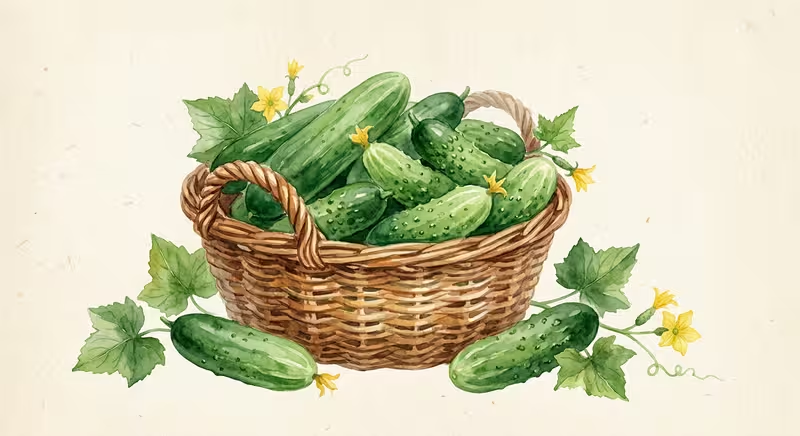
Pick cucumbers early and often. This is the single most important harvest rule. Overripe cucumbers turn bitter, seedy, and tough-skinned. More importantly, leaving mature fruit on the vine signals the plant to stop producing new cucumbers.
Harvest size depends on type:
- Slicers: pick at 6–8" long, before they turn dull or yellow
- Pickling types: pick at 2–4" for gherkins, 4–6" for dill pickles
- Burpless/Asian types: pick at 8–12" — they stay tender even when large
Cut cucumbers from the vine with clean scissors or a knife. Don’t pull or twist, which damages the vine. Check plants every 1–2 days during peak production — cucumbers can grow 1–2 inches in a single day in warm weather.
Frequently Asked Questions
How many cucumbers does one plant produce?
A healthy, trellised cucumber plant produces 10–20 cucumbers over its 6–8 week bearing period. Pickling varieties produce more (but smaller) fruits. Regular harvesting is key — left to over-ripen, the plant slows dramatically.
Why are my cucumbers bitter?
Bitterness comes from cucurbitacin, a compound that concentrates when plants are stressed by inconsistent watering, extreme heat, or poor nutrition. Water deeply and consistently, mulch heavily, and harvest promptly. Peeling from the blossom end toward the stem removes most bitterness from an affected fruit.
Do cucumbers need a trellis?
Not strictly, but trellising is strongly recommended. Trellised cucumbers produce cleaner fruit, have fewer disease problems (better airflow), take up far less space (2 per square foot vs. 1 per 4–6 square feet on the ground), and are much easier to harvest. Bush varieties can grow without support.
Can I grow cucumbers in containers?
Yes. Use a container at least 5 gallons (12" deep, 12" wide) per plant. Bush varieties like Spacemaster and Patio Snacker work best. Provide a small trellis or let them trail over the edge. Containers dry out fast — you may need to water daily in summer heat.
Why do my cucumber plants have flowers but no fruit?
Male flowers appear first, sometimes for 1–2 weeks before any female flowers. This is normal. Female flowers have a small cucumber shape at their base. If female flowers appear but fruit doesn’t set, pollinators may not be visiting. Plant nearby flowers (marigolds, zinnias) to attract bees, or hand-pollinate in the morning. Note: parthenocarpic varieties (Diva, most greenhouse types) don’t need pollination at all and will set fruit on their own.
Varieties & Cultivars
15 cultivars in our database. Click any card to see growing details.
Slicing
(4)
Lemon
55–65 days
Open-Pollinated
tennis-ball size; best picked small; prolific
- Height
- 12–60" (30–152 cm)
- Yield / plant
- —
- Avg fruit
- 6.0 oz (170 g)
- Support
- trellis
- Harvest
- continuous
- USDA Zones
- 3–11
- Seed saving
- easy
- Seed viability
- 5 years
Marketmore
55–65 days
Open-Pollinated
- Height
- 12–72" (30–183 cm)
- Yield / plant
- —
- Avg fruit
- 9.9 oz (280 g)
- Support
- trellis
- Harvest
- continuous
- USDA Zones
- 3–11
- Seed saving
- moderate
- Seed viability
- 5 years
Spacemaster
56–62 days
Open-Pollinated
18-20cm dark green slicers
- Height
- 12–24" (30–61 cm)
- Yield / plant
- —
- Avg fruit
- 8.5 oz (240 g)
- Support
- none
- Harvest
- continuous
- USDA Zones
- 3–11
- Seed saving
- moderate
- Seed viability
- 5 years
Straight Eight
58–65 days
Open-Pollinated
uniform cylindrical shape; reliable
- Height
- 12–72" (30–183 cm)
- Yield / plant
- —
- Avg fruit
- 8.8 oz (250 g)
- Support
- trellis
- Harvest
- continuous
- USDA Zones
- 3–11
- Seed saving
- moderate
- Seed viability
- 5 years
Burpless
(7)
Armenian
55–65 days
Open-Pollinated
mild sweet flavour; 30-45cm long; heat-tolerant; never bitter
- Height
- 12–72" (30–183 cm)
- Yield / plant
- —
- Avg fruit
- 12.3 oz (350 g)
- Support
- trellis
- Harvest
- continuous
- USDA Zones
- 3–11
- Seed saving
- easy
- Seed viability
- 5 years
Diva
58–65 days
Hybrid
thin sweet skin; 15-20cm tender fruits; disease resistant
- Height
- 12–72" (30–183 cm)
- Yield / plant
- —
- Avg fruit
- 7.1 oz (200 g)
- Support
- trellis
- Harvest
- continuous
- USDA Zones
- 3–11
- Seed saving
- difficult
- Seed viability
- 5 years
Japanese Long
55–65 days
Open-Pollinated
thin tender skin; crisp and mild; best trellised for straight fruit
- Height
- 12–72" (30–183 cm)
- Yield / plant
- —
- Avg fruit
- 10.6 oz (300 g)
- Support
- trellis
- Harvest
- continuous
- USDA Zones
- 3–11
- Seed saving
- moderate
- Seed viability
- 5 years
Lebanese
50–60 days
Open-Pollinated
- Height
- 12–60" (30–152 cm)
- Yield / plant
- —
- Avg fruit
- 4.6 oz (130 g)
- Support
- trellis
- Harvest
- continuous
- USDA Zones
- 3–11
- Seed saving
- moderate
- Seed viability
- 5 years
Muncher
55–65 days
Open-Pollinated
tender thin skin; eat straight off the vine
- Height
- 12–72" (30–183 cm)
- Yield / plant
- —
- Avg fruit
- 6.0 oz (170 g)
- Support
- trellis
- Harvest
- continuous
- USDA Zones
- 3–11
- Seed saving
- moderate
- Seed viability
- 5 years
Suyo Long
60–70 days
Open-Pollinated
sweet and crisp; excellent heat tolerance
- Height
- 12–72" (30–183 cm)
- Yield / plant
- —
- Avg fruit
- 9.9 oz (280 g)
- Support
- trellis
- Harvest
- continuous
- USDA Zones
- 3–11
- Seed saving
- easy
- Seed viability
- 5 years
Tasty Jade
54–62 days
Hybrid
thin tender skin; crisp sweet flesh; gynoecious (mostly female flowers) for high yields; best trellised for straight fruit
- Height
- 12–72" (30–183 cm)
- Yield / plant
- —
- Avg fruit
- 10.6 oz (300 g)
- Support
- trellis
- Harvest
- continuous
- USDA Zones
- 3–11
- Seed saving
- difficult
- Seed viability
- 5 years
Classic pickling cucumber
(1)
Kirby
50–60 days
Open-Pollinated
thick skin holds up in brine; bumpy dark green
- Height
- 12–24" (30–61 cm)
- Yield / plant
- —
- Avg fruit
- 5.3 oz (150 g)
- Support
- vertical
- Harvest
- continuous
- USDA Zones
- 3–10
- Seed saving
- easy
- Seed viability
- 5 years
Long thin 45cm seedless fruit
(1)
English
60–70 days
Open-Pollinated
burpless; sweet mild flavour; also called Telegraph or Persian
- Height
- 24–36" (61–91 cm)
- Yield / plant
- —
- Avg fruit
- 7.1 oz (200 g)
- Support
- vertical
- Harvest
- continuous
- USDA Zones
- 3–10
- Seed saving
- easy
- Seed viability
- 5 years
Pickling
(2)
Boston Pickling
55–62 days
Open-Pollinated
crisp and productive
- Height
- 12–60" (30–152 cm)
- Yield / plant
- —
- Avg fruit
- 4.2 oz (120 g)
- Support
- trellis
- Harvest
- continuous
- USDA Zones
- 3–11
- Seed saving
- easy
- Seed viability
- 5 years
National Pickling
50–58 days
Open-Pollinated
black-spined; very productive
- Height
- 12–60" (30–152 cm)
- Yield / plant
- —
- Avg fruit
- 4.6 oz (130 g)
- Support
- trellis
- Harvest
- continuous
- USDA Zones
- 3–11
- Seed saving
- moderate
- Seed viability
- 5 years
Companion Planting
What to grow alongside cucumber, and what to keep apart.
Plant With
Keep Apart
Ready to grow cucumber?
Plan your garden with exact spacing and zone-specific planting dates. An AI companion helps with the rest.
Start Planning Free →