How to Grow Pepper
IntermediateCapsicum annuum
Warm-season fruiting vegetable. Both sweet and hot varieties grow similarly. Peppers love heat and full sun.
Last updated: June 2026
Choosing the Right Variety
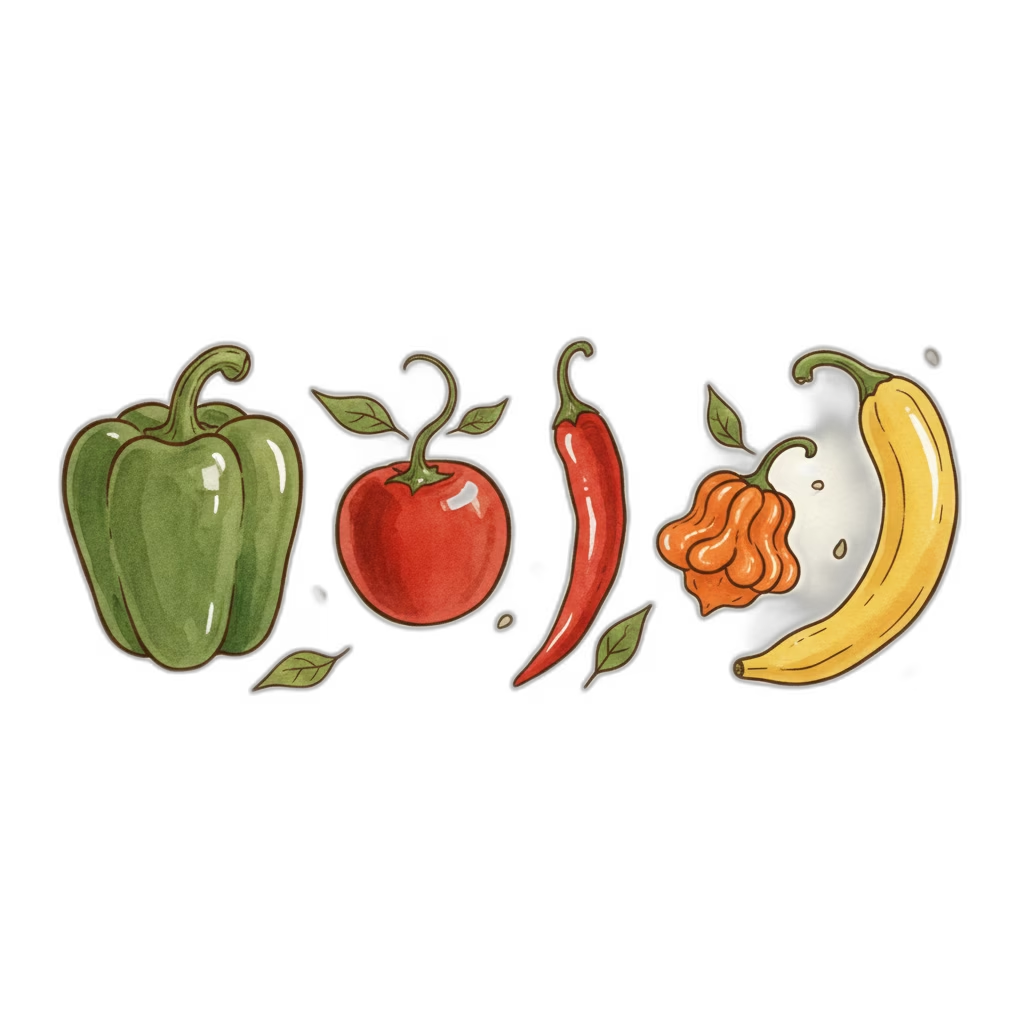
Peppers split into two worlds, sweet and hot, but they all grow the same way. The difference is capsaicin, and whether a variety produces it is entirely genetic. The growing requirements are identical: warmth, sun, and time.
Sweet peppers (California Wonder, Jimmy Nardello, Sweet Banana) are kitchen workhorses. Bell types take the longest to mature, especially to full color. Mild to medium hot peppers (Jalapeño, Poblano, Anaheim) add heat without overwhelming, and are the backbone of Mexican and Southwestern cooking. Hot peppers (Serrano, Cayenne, Thai Dragon) bring the heat in small packages. Individual plants produce dozens to hundreds of fruits. Superhots (Habanero, Scotch Bonnet, Carolina Reaper, Trinidad Scorpion)\n need the longest season (90 to 150 days) and are a genuine challenge in cooler zones.
Starting from Seed
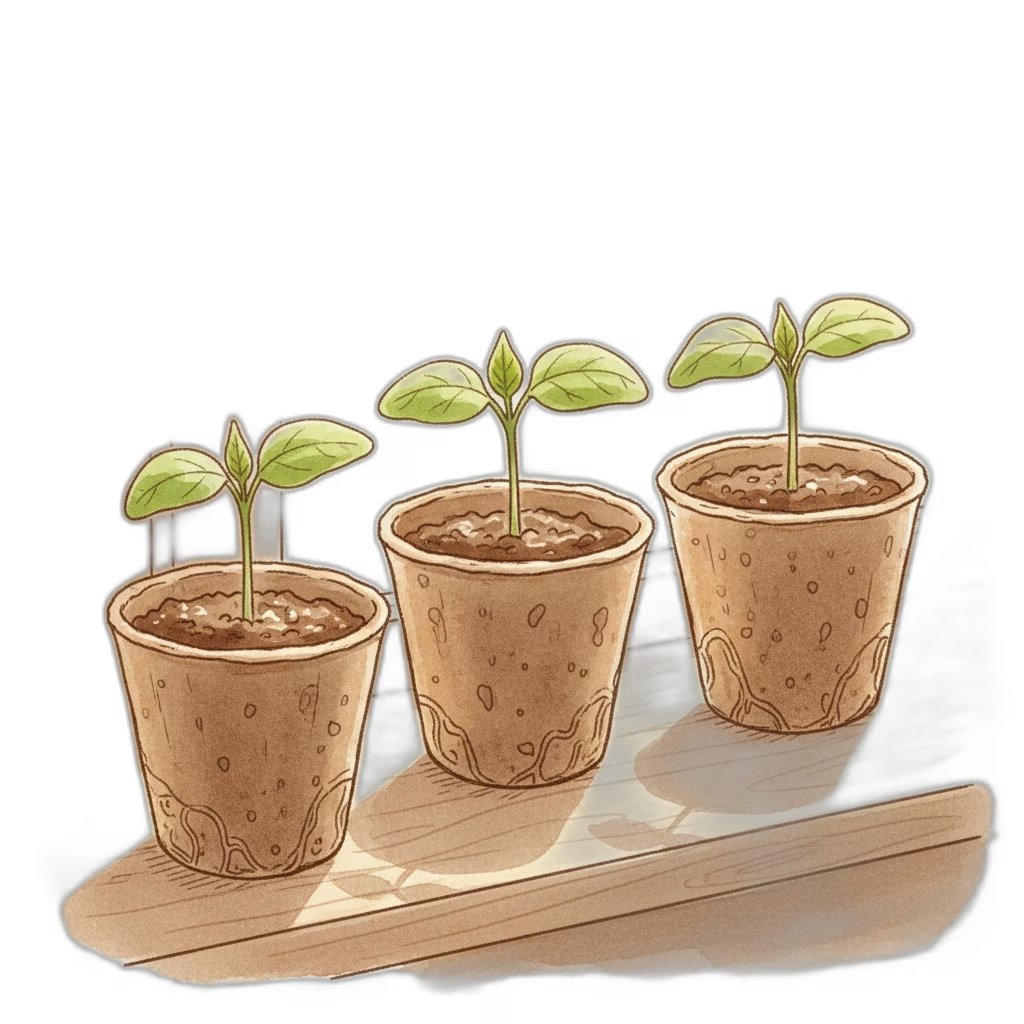
Peppers are slow starters. Begin seeds indoors 8–10 weeks before your last frost date. Superhots need even more time, up to 12–14 weeks. This is not optional in most climates; nursery starts are limited in variety and you’ll miss the best cultivars.
Germination demands warmth: 80–85°F soil temperature is ideal. A heat mat makes an enormous difference. At room temperature, seeds may take 3–4 weeks to sprout. With bottom heat, expect seedlings in 7–14 days. Plant seeds ¼" deep in sterile seed-starting mix and keep the soil moist but not waterlogged.
Once seedlings develop 2–3 sets of true leaves, pot up to 3–4" containers. At 6–8" tall, pinch the growing tip. This forces the plant to branch, producing a bushier shape and many more fruit-bearing branches. It feels wrong to cut a healthy plant, but it pays off dramatically.
Transplanting & Spacing
Peppers are more cold-sensitive than tomatoes. Wait until nighttime temperatures are consistently above 55°F (ideally 60°F) before transplanting. Cold soil doesn’t just slow growth, it can stunt plants permanently. Harden off seedlings over 10–14 days, being especially cautious of cool nights.
In square foot gardening, each pepper gets one full square foot. Unlike tomatoes, do not bury pepper stems deeply. Set them at the same depth they were growing in their pots. While peppers can develop adventitious roots from buried stems, their crown is much more rot-prone than tomato stems — the risk of crown rot outweighs any rooting benefit, especially in cool or wet soil.
1 per square foot
Each pepper gets a full 12″×12″ square. They’re bushy plants that need airflow between branches to prevent fungal issues.
View full spacing chart →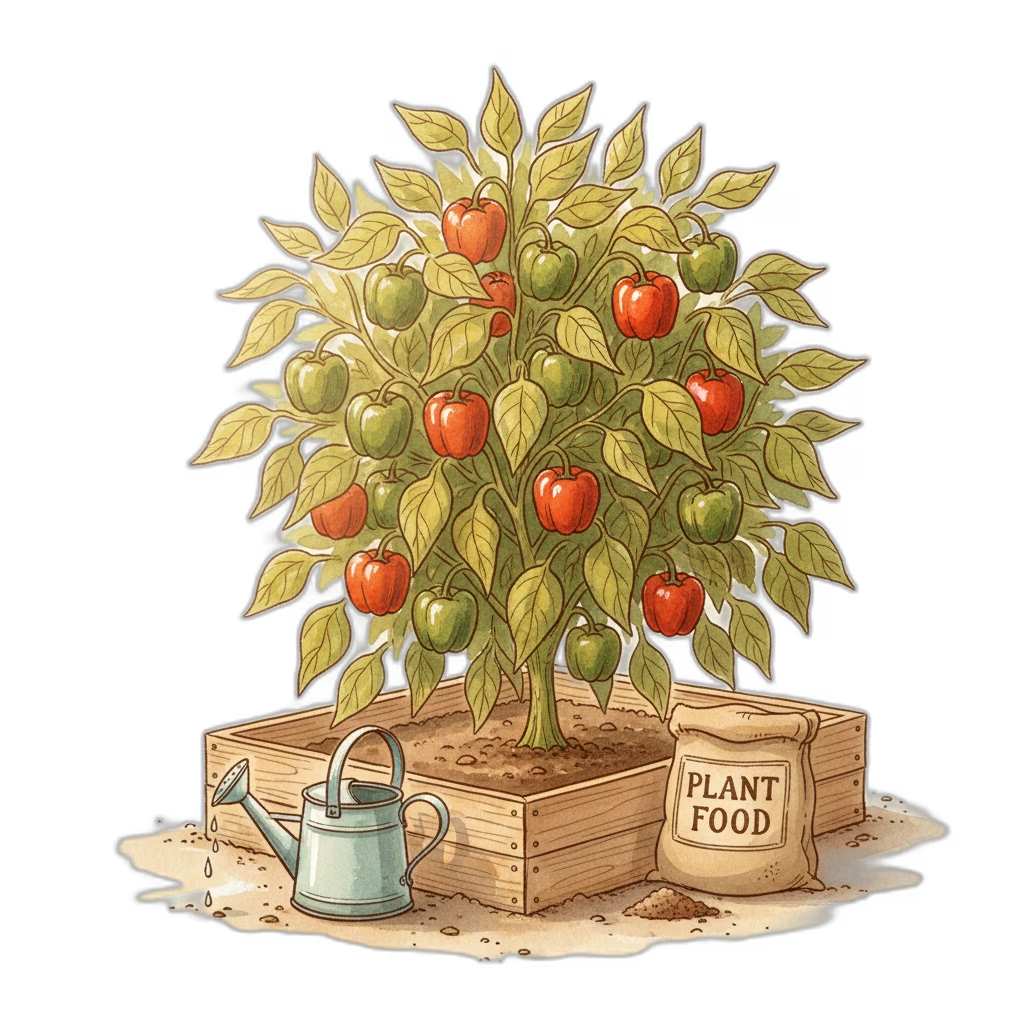
Care & Maintenance
Watering. Peppers need consistent moisture but not wet feet (about 1–1.5" per week). They tolerate slightly drier conditions than tomatoes. Water deeply but less frequently to encourage deep root development. Mulch with 2–3" of straw or shredded leaves.
Fertilizing. Peppers are moderate feeders. The classic mistake is too much nitrogen, which gives you gorgeous bushy plants that produce almost no fruit. Use a balanced fertilizer at transplanting, then switch to a low-nitrogen, high-phosphorus formula once flowering begins. Side-dress with compost every 3–4 weeks.
Support. Bell peppers and heavily loaded hot pepper plants benefit from a short stake or small cage. Once branches are weighed down with ripening fruit (especially after rain) they can snap at the crotch. A single bamboo stake and a loose tie at 12" is usually enough. See our plant support structures guide for more options.
Common Problems
Blossom Drop
Flowers fall off without setting fruit. This is almost always a temperature issue: nighttime temps below 55°F or above 75°F disrupt pollination. Inconsistent watering and excessive nitrogen also contribute. Be patient; fruit set resumes when conditions moderate.
Sunscald
White or tan papery patches on fruit exposed to intense afternoon sun. Maintain good leaf canopy. Don’t over-prune your plants. In extreme heat (95°F+), shade cloth at 30–40% can protect ripening fruit.
Aphids
The most common pepper pest. Check the undersides of young leaves regularly. Blast them off with a strong spray of water, use insecticidal soap, or plant basil nearby. It genuinely helps repel them.
Slow or Stunted Growth
Peppers naturally grow slowly in cool weather. This is normal behavior, not disease. Growth accelerates noticeably once daytime temperatures consistently reach 75°F+. If plants remain stunted even in warm weather, check for root-bound transplants, compacted soil, or excessive nitrogen (which can inhibit fruiting without affecting foliage growth).
Harvesting
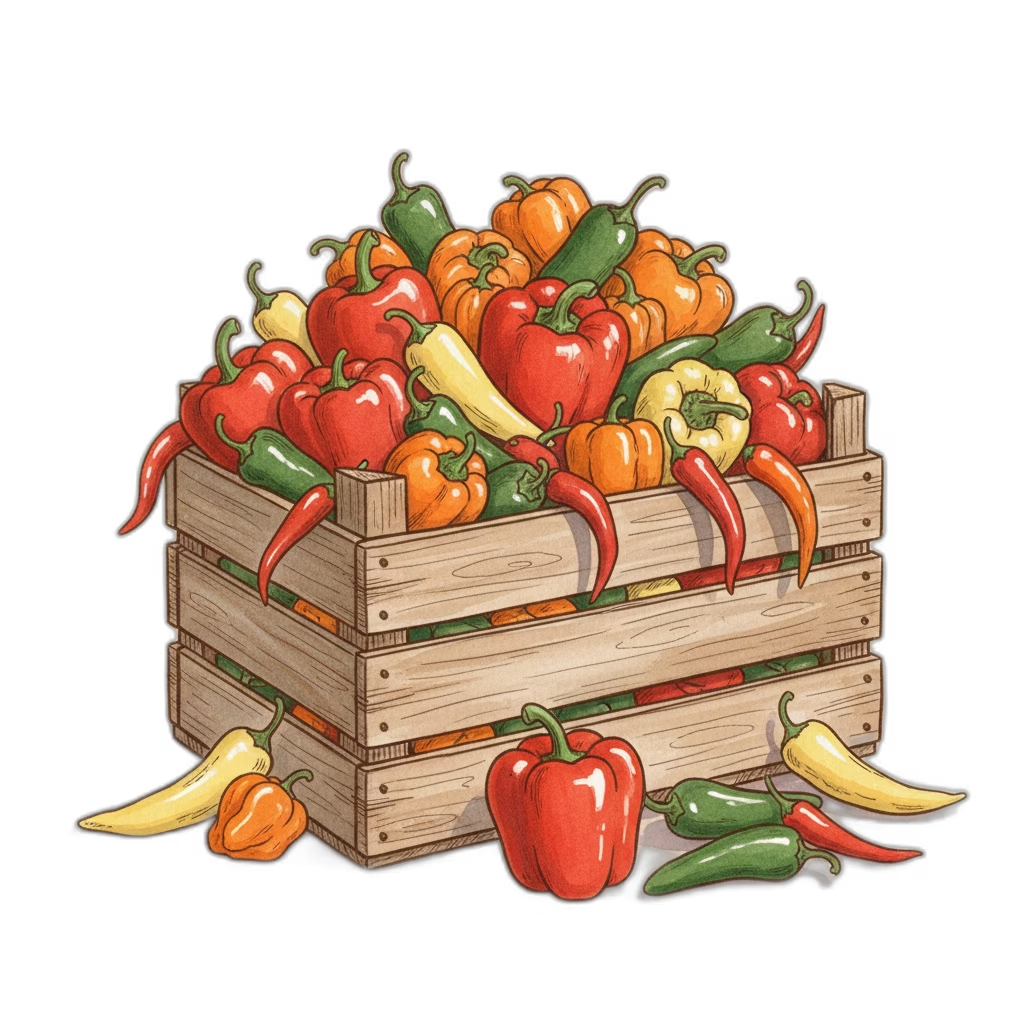
Most peppers can be picked green or left to ripen to full color (red, orange, yellow, or chocolate depending on the variety). Fully ripe peppers are sweeter, have more vitamins, and hot peppers develop their full heat. The trade-off: a ripe pepper takes 2–4 extra weeks on the plant, during which new fruit production slows significantly.
Always cut peppers from the plant with clean scissors or pruners. Pulling risks snapping branches and damaging the plant. Cut with a short stem stub attached.
Frequent harvesting encourages more production. Once a pepper plant has ripe fruit hanging, it slows down new fruit production. Picking regularly keeps the plant setting new peppers until frost. At the end of the season, harvest everything. Even green peppers are useful for cooking, pickling, or ripening on a sunny windowsill.
Frequently Asked Questions
How long does it take to grow peppers from seed?
Most peppers take 60–100 days from transplant to harvest. Start seeds indoors 8–10 weeks before your last frost date. Superhot varieties like Habaneros need 12–14 weeks and can take 4–6 weeks just to germinate.
Why are my pepper flowers falling off?
Blossom drop is a temperature response. The pollen becomes non-viable when nights are below 55°F or above 75°F. It can also happen during transplant shock or if the plant is putting energy into establishing roots. The flowers will set normally once temperatures stabilize. No intervention needed.
How many pepper plants per square foot?
One pepper plant per square foot. Each pepper needs a full 12×12 inch square. Unlike tomatoes, do not bury pepper stems deeply. Set them at the same depth they were growing in their pots.
When should I pick peppers?
Peppers can be picked green or left to ripen to full color. Fully ripe peppers are sweeter with more vitamins and, for hot peppers, more heat. Always cut peppers from the plant with clean scissors rather than pulling.
What is the best fertilizer for peppers?
A balanced fertilizer (like 10-10-10 or fish emulsion) works at transplanting. Once you see flowers, switch to something with less nitrogen and more phosphorus (bone meal, 5-10-10, or a tomato-specific fertilizer). Avoid high-nitrogen formulas after flowering, or you’ll get bushy foliage and delayed fruiting.
Varieties & Cultivars
34 cultivars in our database. Click any card to see growing details.
Sweet
(13)
Bell Green
60–70 days
Hybrid
thick-walled; mild crisp flavour
- Height
- 24–36" (61–91 cm)
- Yield / plant
- —
- Avg fruit
- 5.8 oz (165 g)
- Support
- vertical
- Harvest
- continuous
- USDA Zones
- 3–11
- Seed saving
- moderate
- Seed viability
- 2 years
Bell Orange
75–90 days
Hybrid
thick-walled; fruity sweet flavour
- Height
- 24–36" (61–91 cm)
- Yield / plant
- —
- Avg fruit
- 6.0 oz (170 g)
- Support
- vertical
- Harvest
- continuous
- USDA Zones
- 3–11
- Seed saving
- moderate
- Seed viability
- 2 years
Bell Red
70–85 days
Hybrid
- Height
- 24–36" (61–91 cm)
- Yield / plant
- —
- Avg fruit
- 5.8 oz (165 g)
- Support
- vertical
- Harvest
- continuous
- USDA Zones
- 3–11
- Seed saving
- moderate
- Seed viability
- 2 years
Bell Yellow
75–90 days
Hybrid
thick-walled; slightly sweeter than green
- Height
- 24–36" (61–91 cm)
- Yield / plant
- —
- Avg fruit
- 6.0 oz (170 g)
- Support
- vertical
- Harvest
- continuous
- USDA Zones
- 3–11
- Seed saving
- moderate
- Seed viability
- 2 years
California Wonder
75–80 days
Open-Pollinated
reliable and widely adapted
- Height
- 24–30" (61–76 cm)
- Yield / plant
- —
- Avg fruit
- 6.7 oz (190 g)
- Support
- vertical
- Harvest
- continuous
- USDA Zones
- 3–11
- Seed saving
- moderate
- Seed viability
- 2 years
Cubanelle
68–75 days
Open-Pollinated
tapered 15cm yellow-green fruit; excellent sauteed
- Height
- 18–24" (46–61 cm)
- Yield / plant
- —
- Avg fruit
- 1.9 oz (55 g)
- Support
- vertical
- Harvest
- continuous
- USDA Zones
- 3–11
- Seed saving
- moderate
- Seed viability
- 2 years
Jimmy Nardello
75–80 days
Open-Pollinated
outstanding fried or roasted; Slow Food Ark of Taste
- Height
- 24–42" (61–107 cm)
- Yield / plant
- —
- Avg fruit
- 1.4 oz (40 g)
- Support
- vertical
- Harvest
- continuous
- USDA Zones
- 3–11
- Seed saving
- moderate
- Seed viability
- 2 years
Lunchbox
75–80 days
Hybrid
thick-walled 7cm fruit; red/orange/yellow varieties
- Height
- 18–24" (46–61 cm)
- Yield / plant
- —
- Avg fruit
- 1.1 oz (30 g)
- Support
- vertical
- Harvest
- continuous
- USDA Zones
- 3–11
- Seed saving
- moderate
- Seed viability
- 2 years
Mad Hatter
70–80 days
Open-Pollinated
sweet mild; colour varies by sun exposure; visually striking AAS winner 2015
- Height
- 18–30" (46–76 cm)
- Yield / plant
- —
- Avg fruit
- 0.7 oz (20 g)
- Support
- vertical
- Harvest
- continuous
- USDA Zones
- 3–11
- Seed saving
- easy
- Seed viability
- 2 years
Piquillo
75–85 days
Open-Pollinated
sweet with no heat; traditionally roasted over embers and hand-peeled; classic for stuffing with cod or cheese
- Height
- 18–30" (46–76 cm)
- Yield / plant
- —
- Avg fruit
- 0.9 oz (25 g)
- Support
- vertical
- Harvest
- continuous
- USDA Zones
- 3–11
- Seed saving
- moderate
- Seed viability
- 2 years
Romano
70–80 days
Open-Pollinated
thick flesh; sweet crisp; preferred for stuffing in Italian cooking
- Height
- 18–30" (46–76 cm)
- Yield / plant
- —
- Avg fruit
- 0.9 oz (25 g)
- Support
- vertical
- Harvest
- continuous
- USDA Zones
- 3–11
- Seed saving
- moderate
- Seed viability
- 2 years
Sweet Banana
72–78 days
Open-Pollinated
prolific; good for pickling and frying
- Height
- 18–24" (46–61 cm)
- Yield / plant
- —
- Avg fruit
- 1.6 oz (45 g)
- Support
- vertical
- Harvest
- continuous
- USDA Zones
- 3–11
- Seed saving
- moderate
- Seed viability
- 2 years
Sweet Hungarian Wax
70–80 days
Open-Pollinated
thick flesh; excellent roasted or stuffed; Hungarian garden staple
- Height
- 18–30" (46–76 cm)
- Yield / plant
- —
- Avg fruit
- 0.7 oz (20 g)
- Support
- vertical
- Harvest
- continuous
- USDA Zones
- 3–10
- Seed saving
- moderate
- Seed viability
- 2 years
Mild
(7)
Anaheim
77–85 days
Open-Pollinated
18cm green fruit ripening to red
- Height
- 24–30" (61–76 cm)
- Yield / plant
- —
- Avg fruit
- 1.6 oz (45 g)
- Support
- vertical
- Harvest
- continuous
- USDA Zones
- 3–11
- Seed saving
- moderate
- Seed viability
- 2 years
Hungarian Wax
65–72 days
Open-Pollinated
variable heat; popular for pickling
- Height
- 18–24" (46–61 cm)
- Yield / plant
- —
- Avg fruit
- 1.6 oz (45 g)
- Support
- vertical
- Harvest
- continuous
- USDA Zones
- 3–11
- Seed saving
- moderate
- Seed viability
- 2 years
Padron
60–65 days
Open-Pollinated
mostly mild but 1 in 10 can be hot; best blistered in olive oil with sea salt; pick young for mildest flavour
- Height
- 18–24" (46–61 cm)
- Yield / plant
- —
- Avg fruit
- 0.4 oz (10 g)
- Support
- vertical
- Harvest
- continuous
- USDA Zones
- 3–11
- Seed saving
- moderate
- Seed viability
- 2 years
Pepperoncini
70–80 days
Open-Pollinated
traditionally pickled; versatile cooking pepper
- Height
- 12–24" (30–61 cm)
- Yield / plant
- —
- Avg fruit
- 0.4 oz (12 g)
- Support
- vertical
- Harvest
- continuous
- USDA Zones
- 4–10
- Seed saving
- easy
- Seed viability
- 2 years
Piparra
65–75 days
Open-Pollinated
mild tangy heat; traditionally pickled in white wine vinegar; essential Basque pintxo garnish
- Height
- 18–30" (46–76 cm)
- Yield / plant
- —
- Avg fruit
- 0.2 oz (5 g)
- Support
- vertical
- Harvest
- continuous
- USDA Zones
- 3–11
- Seed saving
- moderate
- Seed viability
- 2 years
Poblano
75–80 days
Open-Pollinated
essential for chiles rellenos; called ancho when dried
- Height
- 24–36" (61–91 cm)
- Yield / plant
- —
- Avg fruit
- 3.7 oz (105 g)
- Support
- vertical
- Harvest
- continuous
- USDA Zones
- 3–11
- Seed saving
- moderate
- Seed viability
- 2 years
Shishito
60–65 days
Open-Pollinated
1 in 10 mildly hot; best blistered in hot pan
- Height
- 12–18" (30–46 cm)
- Yield / plant
- —
- Avg fruit
- 0.4 oz (10 g)
- Support
- vertical
- Harvest
- continuous
- USDA Zones
- 3–11
- Seed saving
- moderate
- Seed viability
- 2 years
Hot
(6)
Aji Amarillo
65–75 days
Open-Pollinated
fruity heat; essential in Peruvian cuisine; used fresh and as paste
- Height
- 12–18" (30–46 cm)
- Yield / plant
- —
- Avg fruit
- 0.5 oz (15 g)
- Support
- vertical
- Harvest
- continuous
- USDA Zones
- 3–11
- Seed saving
- moderate
- Seed viability
- 2 years
Cayenne
70–90 days
Open-Pollinated
- Height
- 24–48" (61–122 cm)
- Yield / plant
- —
- Avg fruit
- 0.6 oz (18 g)
- Support
- vertical
- Harvest
- continuous
- USDA Zones
- 3–11
- Seed saving
- moderate
- Seed viability
- 2 years
Fish Pepper
80–90 days
Open-Pollinated
stunning variegated green-and-white striped foliage and fruit; 5cm pods ripen white to red; traditionally used in shellfish cookery
- Height
- 18–30" (46–76 cm)
- Yield / plant
- —
- Avg fruit
- 0.4 oz (10 g)
- Support
- vertical
- Harvest
- continuous
- USDA Zones
- 3–11
- Seed saving
- moderate
- Seed viability
- 2 years
Fresno
70–80 days
Open-Pollinated
ripens bright red; developed 1952 in Fresno California; preferred for hot sauces and ceviche
- Height
- 18–30" (46–76 cm)
- Yield / plant
- —
- Avg fruit
- 0.9 oz (25 g)
- Support
- vertical
- Harvest
- continuous
- USDA Zones
- 3–11
- Seed saving
- moderate
- Seed viability
- 2 years
Jalapeno
65–72 days
Open-Pollinated
versatile fresh or smoked as chipotle
- Height
- 24–36" (61–91 cm)
- Yield / plant
- —
- Avg fruit
- 1.1 oz (30 g)
- Support
- vertical
- Harvest
- continuous
- USDA Zones
- 3–11
- Seed saving
- moderate
- Seed viability
- 2 years
Serrano
75–80 days
Open-Pollinated
preferred for fresh salsas
- Height
- 24–30" (61–76 cm)
- Yield / plant
- —
- Avg fruit
- 0.4 oz (10 g)
- Support
- vertical
- Harvest
- continuous
- USDA Zones
- 3–11
- Seed saving
- moderate
- Seed viability
- 2 years
Very Hot
(5)
Chocolate Habanero
90–100 days
Open-Pollinated
rich smoky earthy flavour; one of the hottest habanero types; long season
- Height
- 24–48" (61–122 cm)
- Yield / plant
- —
- Avg fruit
- 0.3 oz (8 g)
- Support
- vertical
- Harvest
- continuous
- USDA Zones
- 3–11
- Seed saving
- moderate
- Seed viability
- 2 years
Datil
90–100 days
Open-Pollinated
fruity sweet flavour unique among superhots; St. Augustine Florida heritage pepper; excellent for hot sauces
- Height
- 18–36" (46–91 cm)
- Yield / plant
- —
- Avg fruit
- 0.2 oz (5 g)
- Support
- vertical
- Harvest
- continuous
- USDA Zones
- 3–11
- Seed saving
- moderate
- Seed viability
- 2 years
Habanero
90–100 days
Open-Pollinated
lantern-shaped 5cm orange fruit; long season
- Height
- 24–48" (61–122 cm)
- Yield / plant
- —
- Avg fruit
- 0.3 oz (8 g)
- Support
- vertical
- Harvest
- continuous
- USDA Zones
- 3–11
- Seed saving
- moderate
- Seed viability
- 2 years
Scotch Bonnet
90–100 days
Open-Pollinated
squat bonnet-shaped 4cm fruit; fruity heat similar to habanero
- Height
- 24–36" (61–91 cm)
- Yield / plant
- —
- Avg fruit
- 0.4 oz (10 g)
- Support
- vertical
- Harvest
- continuous
- USDA Zones
- 3–11
- Seed saving
- moderate
- Seed viability
- 2 years
Thai Dragon
85–95 days
Open-Pollinated
very prolific; popular in Asian cuisine
- Height
- 18–30" (46–76 cm)
- Yield / plant
- —
- Avg fruit
- 0.2 oz (5 g)
- Support
- vertical
- Harvest
- continuous
- USDA Zones
- 3–11
- Seed saving
- moderate
- Seed viability
- 2 years
Superhot
(3)
Carolina Reaper
120–150 days
Open-Pollinated
extremely long season
- Height
- 24–48" (61–122 cm)
- Yield / plant
- —
- Avg fruit
- 0.3 oz (8 g)
- Support
- vertical
- Harvest
- continuous
- USDA Zones
- 3–11
- Seed saving
- moderate
- Seed viability
- 2 years
Ghost Pepper (Bhut Jolokia)
120–150 days
Open-Pollinated
slow fruity burn; very long season
- Height
- 24–48" (61–122 cm)
- Yield / plant
- —
- Avg fruit
- 0.3 oz (8 g)
- Support
- vertical
- Harvest
- continuous
- USDA Zones
- 3–11
- Seed saving
- moderate
- Seed viability
- 2 years
Trinidad Scorpion
120–150 days
Open-Pollinated
former world record holder; intense fruity heat; very long season; Moruga strain reached 2M+ SHU
- Height
- 24–48" (61–122 cm)
- Yield / plant
- —
- Avg fruit
- 0.3 oz (8 g)
- Support
- vertical
- Harvest
- continuous
- USDA Zones
- 3–11
- Seed saving
- moderate
- Seed viability
- 2 years
Companion Planting
What to grow alongside pepper, and what to keep apart.
Plant With
Keep Apart
Ready to grow pepper?
Plan your garden with exact spacing and zone-specific planting dates. An AI companion helps with the rest.
Start Planning Free →