4×8 Raised Bed Layout
The 4×8 raised bed is the most popular size for backyard gardens — its narrow profile fits against fences, along walkways, or in tight side yards. It provides 32 square feet of growing space while remaining easy to reach from both sides.
A 4×8 foot raised bed is the gold standard for backyard vegetable gardens. At 32 square feet, it's large enough to grow a diverse mix of crops yet narrow enough to reach the center from either side without stepping on the soil. Whether you're a first-time gardener or looking to maximize your harvest, the key to success is thoughtful plant placement.
Note: These are tested distributions that work well, but gardening is all about experimentation and enjoyment. Plant what you want to eat. If there's something you love, plant more of it. If there's something you don't like, skip it.
Layout Options
A balanced mix of vegetables, greens, root crops, and herbs — designed for first-time gardeners who want a bit of everything. Prioritizes easy-to-grow crops that forgive mistakes and produce reliably. You'll get fresh salads, roasted vegetables, and herbs for the kitchen without needing any special equipment or trellising experience.
Placement Principles
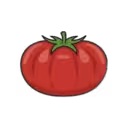
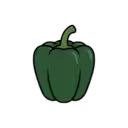
Tallest crops on the north side — tomatoes and trellised cucumbers go on the north edge so they don't shade everything behind them. Peppers and kale go in the next rows.
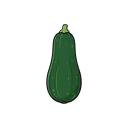
Sprawling plants near the edges — zucchini on the east and west edges so their large leaves can overflow outward without crowding neighbors.
Group the same crop together — plant identical crops in contiguous squares. It looks tidier and makes watering and harvesting easier.
Bush beans for beginners — pole beans need a tall trellis; bush varieties produce well without any support structure.
Plan for succession — when radishes finish in 30 days or lettuce bolts in summer, replant the square immediately with a new crop.
 ×2
×2
×2
×2



 ×9
×9
×9
×9
 ×4
×4
×4
×4
 ×9
×9
×9
×9
 ×16
×16
×16
×16
 ×16
×16
×16
×16
 ×9
×9
×9
×9
 ×9
×9
×9
×9
 ×9
×9
 ×4
×4
 ×9
×9
 ×4
×4
 ×9
×9
 ×4
×4
Tall crops on the north side prevent shading. Zucchini on bed edges can overflow without crowding neighbors. Similar crops grouped together for tidy maintenance.
Built for gardeners who want to grow as much food as possible in 32 square feet. Heavy on fruiting crops — tomatoes, peppers, eggplant, zucchini — that produce continuously all season. Every square is optimized for caloric output and harvest volume, with fast root crops filling gaps between the heavy producers.
Placement Principles
Fruiting crops dominate — 6 tomatoes, 6 peppers, 4 eggplant, and 2 zucchini give continuous harvests all season. These are the highest-value crops per square foot.
Tallest on the north, stacked by height — tomatoes and trellised cucumbers on the north edge, then peppers, then eggplant and zucchini further south.
Zucchini on the edges — one on each side so they can sprawl outward without shading or crowding the bed interior.
Minimal herbs — just basil as a tomato companion. Every other square goes to food production.
×2
 ×2
×2





 ×9
×9
×4
×4
×16
×16
×16
×16
×4
×4
×9
×9
×4
×4
×16
×16
×16
×16
×4
×4
Optimized for maximum food production. Heavy on fruiting crops that produce all season long. Fast root crops fill gaps and get replanted immediately after harvest.
Everything you need to make salsa from scratch — tomatoes, peppers (mild to fiery), onions, garlic, cilantro, and corn. Designed so you can harvest a complete batch of fresh salsa in a single trip to the garden. The pepper selection spans the full heat range from sweet bells to habaneros.
Placement Principles
Tomatoes are the star — 6 plants give you enough for fresh eating, salsa batches, and canning. Roma/paste varieties produce the meatiest sauce.
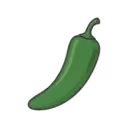
Variety of peppers — mix sweet bells, jalapeños, serranos, and habaneros across 6 squares for layered heat levels in your salsa.
Cilantro in succession — this herb bolts fast in heat, so plant 3 squares and re-sow every 2 weeks to always have fresh leaves.
Garlic planted in fall — garlic needs a cold period, so plant cloves in autumn for a summer harvest alongside your tomatoes and peppers.
×2
×2
×9
×9
×9
×9
×9
×9
×9
×9
 ×9
×9
×9
×4
×16
×4
×9
×9
×9
×4
×16
×4
 ×4
×4
Everything you need for homemade salsa: tomatoes, peppers (sweet and hot), onions, cilantro, and garlic. Heavy on the staples, with herbs for fresh flavor.
When to Plant
Start indoor seeds 6–8 weeks before your last frost date. Plant warm-season crops (tomatoes, peppers, cucumbers) as soon as night temperatures are consistently high enough — timing is everything, and every week you delay shortens your harvest window. Cool-season crops like lettuce, spinach, and radishes are frost-tolerant — direct sow them 2–4 weeks before your last frost while the soil is still cool. Plant a second round of greens in late summer for fall harvest.
Exact dates depend on your USDA hardiness zone. Frost dates vary by several weeks between zones 5 and 8.
Never miss the right planting window
Willow sends you notifications when it's time to sow or transplant each crop in your zone, so you can make the most of every growing season.
Get planting reminders →Spacing Reference
Create this layout in Willow
Drag, drop, and customize this plan in our visual garden planner. Get personalized planting dates for your zone.
Start PlanningLast updated: May 2026