Square Foot Gardening Spacing Chart
How many plants fit in each square foot, based on Mel Bartholomew's Square Foot Gardening method. Optimized spacing for maximum yield in minimum space.
Last updated: June 2026
How SFG Spacing Works
In square foot gardening, you divide your raised bed into 1-foot squares and plant a specific number of seeds or transplants in each square based on the plant's mature size. This eliminates row spacing waste and produces significantly more food per square foot than traditional row gardening.
Standard SFG Densities
Other Common Spacing Densities
Used by many gardeners for crops that don't fit the standard grid neatly.
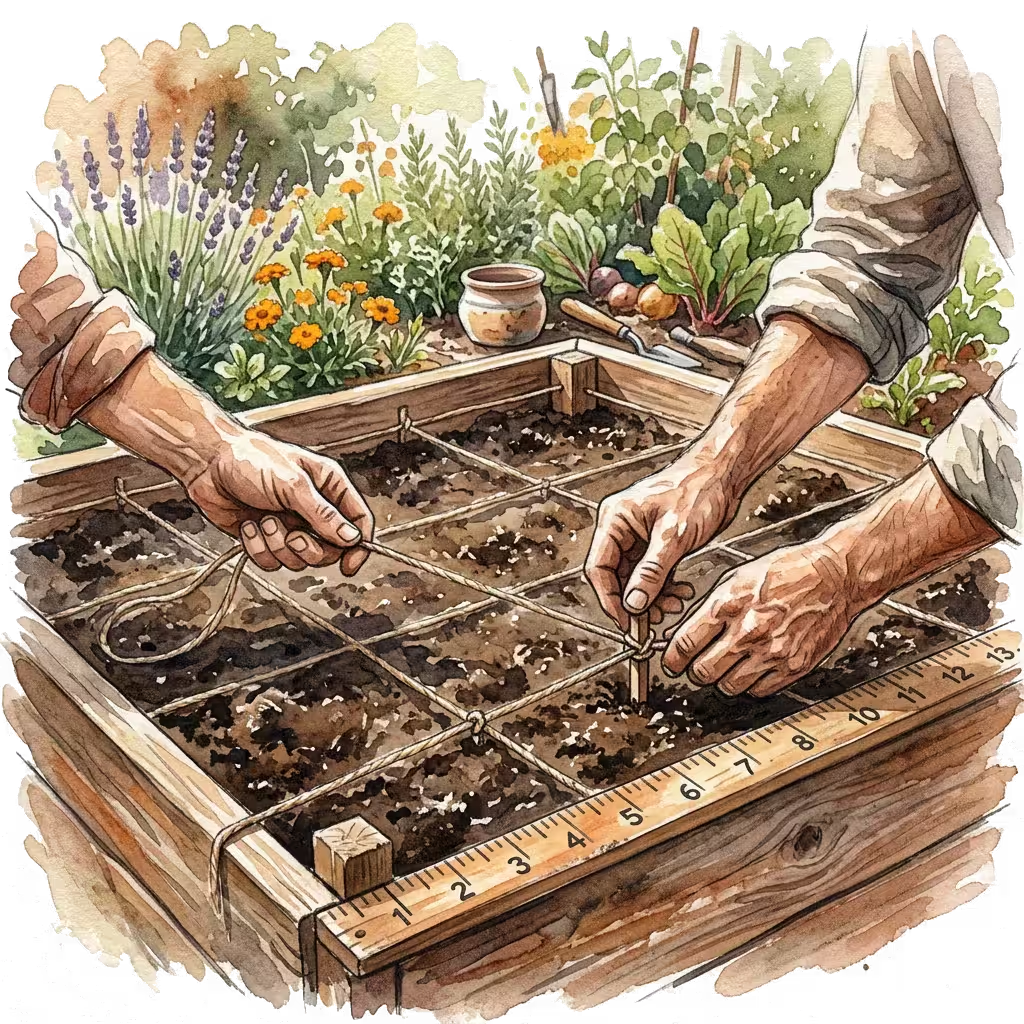
The Square Foot Method
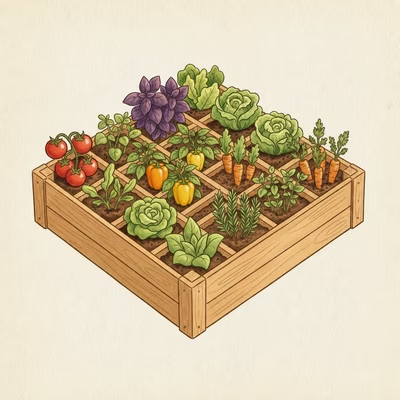
Square foot gardening was developed by Mel Bartholomew in 1981 as a simpler, more productive alternative to traditional row gardening. The core idea: divide a raised bed into a grid of 1-foot squares using twine or lath strips, then plant a precise number of crops in each square based on their mature size.
The method works because it eliminates wasted walking-row space, concentrates soil amendments where roots actually grow, and makes succession planting intuitive. When one square is harvested, you immediately replant it with the next crop.
Setting up your grid: Use twine, wooden lath, or even venetian blind slats to divide each 4×4 or 4×8 bed into 12-inch squares. The physical grid is key: it prevents the natural tendency to overcrowd and gives you a visual map of your garden plan.
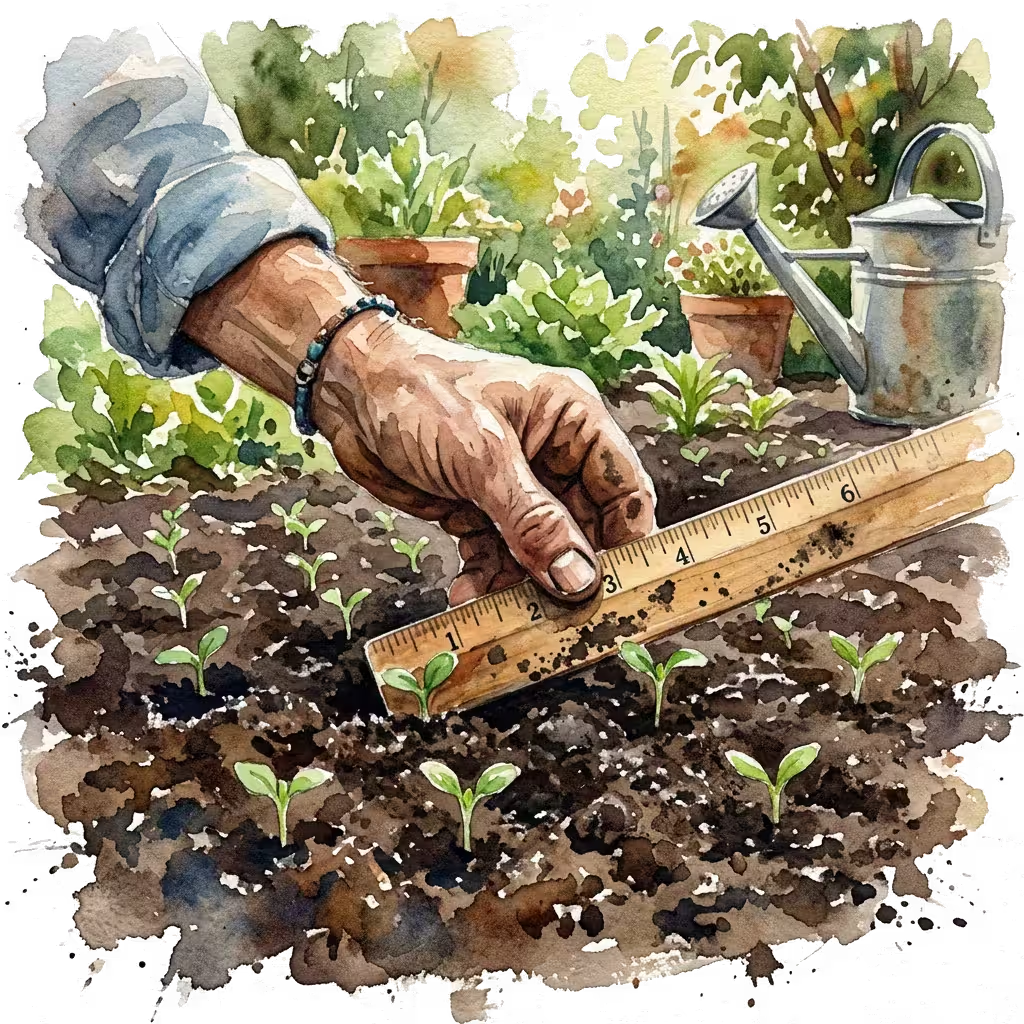
How to Determine Spacing
The rule is straightforward: take the “thin to” or “space plants” distance from the seed packet, divide 12 inches by that number to get plants per row within the square, then square the result.
- 12" spacing → 12÷12 = 1 per row → 1×1 = 1 plant per square
- 6" spacing → 12÷6 = 2 per row → 2×2 = 4 plants per square
- 4" spacing → 12÷4 = 3 per row → 3×3 = 9 plants per square
- 3" spacing → 12÷3 = 4 per row → 4×4 = 16 plants per square
For extra-large plants like squash or melons that need 18–24 inches, you allocate 2 or even 4 squares per plant.
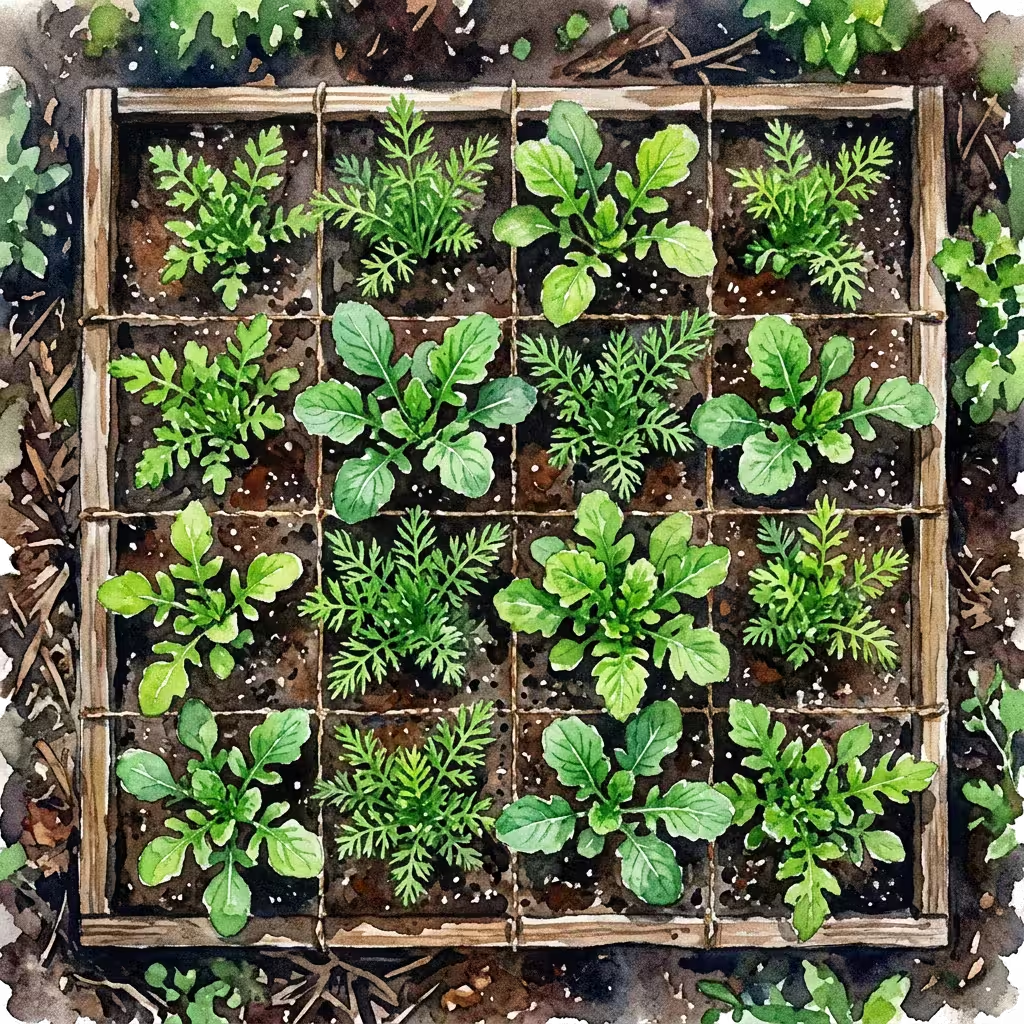
Maximizing Your Harvest
The density chart below tells you how many to plant. Experienced SFG gardeners squeeze even more production from the same footprint with these techniques:
- Succession planting: As soon as a square is harvested, compost it lightly and replant immediately. Fast crops like radishes (25 days) and lettuce (30 days) can cycle 3–4 times per season.
- Interplanting: Pair tall crops with shade-tolerant ones. A tomato square can have lettuce or spinach at its base early in the season before the canopy fills in.
- Vertical growing: Add a trellis along the back of your bed for climbers like cucumbers, pole beans, and peas. These grow up instead of out, using just one square of ground space each.
- Thin early: For 9- and 16-per-square crops (carrots, radishes, beets), thin seedlings to proper spacing as soon as they’re 1–2" tall. Overcrowded seedlings compete for light and produce stunted roots. Water densely planted squares more frequently, since they dry out faster than single-plant squares.
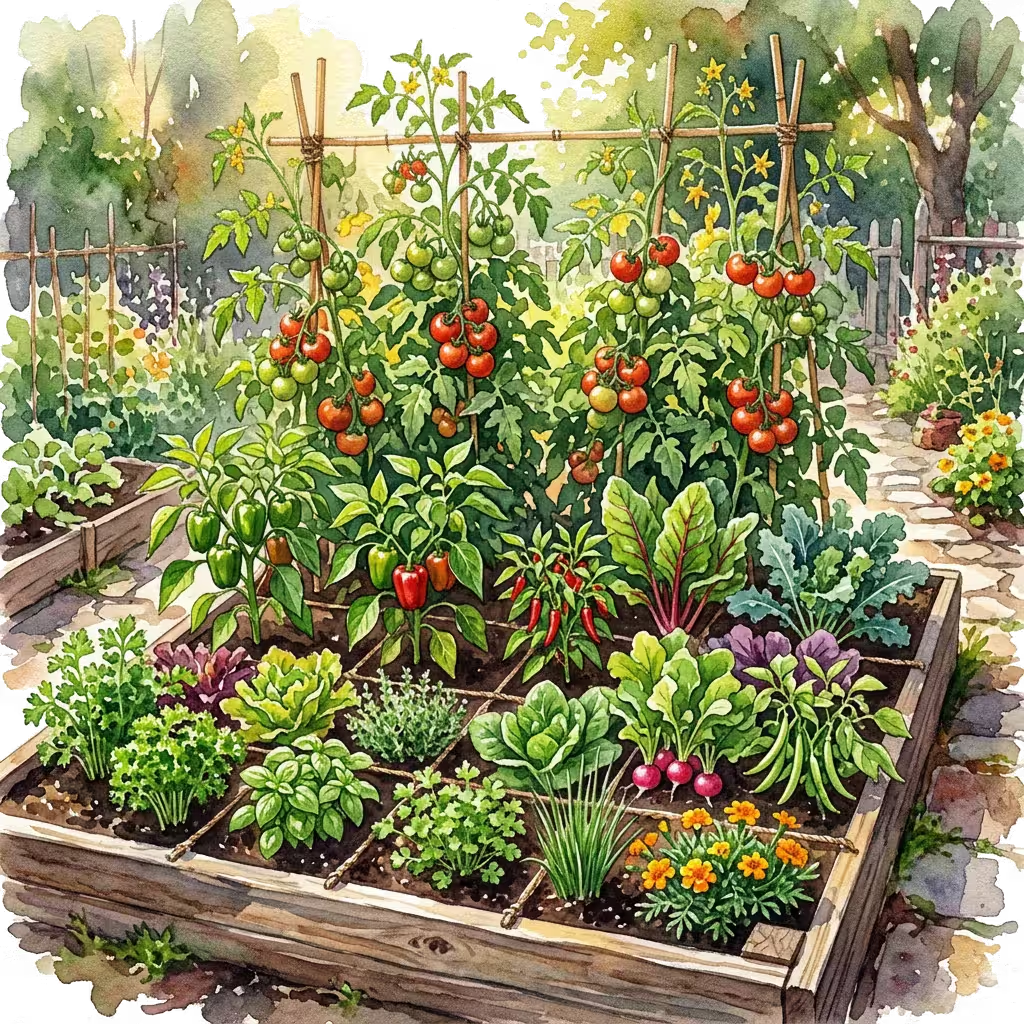
Putting It All Together
Use the spacing chart below to plan your bed square by square. A few layout principles to keep in mind:
- North-side rule: Place your tallest crops (tomatoes, trellised cukes, corn) along the north edge so they don’t cast shadows over shorter plants.
- Graduate heights: Medium crops in the middle rows, shortest in front (south side).
- Companion awareness: Keep basil near tomatoes, plant dill and other umbellifers to attract beneficial insects, and separate onion-family crops from beans and peas.
- Access: Make sure you can reach every square from the bed’s edge. The standard 4-foot width means you never step on the soil.
¼ per sq ft
Large sprawling plants that need 4 square feet each. Give these room to spread.


½ per sq ft
Big plants that need 2 square feet each. Plant on one side with a smaller crop beside.
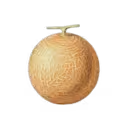
1 per sq ft
One plant fills the entire square. These are your large fruiting crops — tomatoes, peppers, eggplant.




















2 per sq ft
Two plants share a square with 6" between them. Medium-sized crops that need elbow room.

4 per sq ft
Four plants in a 2×2 grid, spaced 6" apart. A great balance of density and room to grow.










8 per sq ft

9 per sq ft
Nine plants in a 3×3 grid, spaced 4" apart. Compact crops like beets, turnips, and bush beans.








16 per sq ft
Sixteen plants in a 4×4 grid, spaced just 3" apart. Small crops — radishes, carrots, onions.


Pro Tips
- Vining crops (cucumbers, pole beans) can be trellised to fit more in less space
- Succession-plant fast crops (radishes, lettuce) every 2 weeks for continuous harvest
- Place tall crops on the north side of the bed to avoid shading shorter plants
Common Mistakes
- Don't overcrowd; follow the chart even when seedlings look tiny
- Large crops (squash, melons) need 2–4 square feet each
- Soil depth matters; root crops need at least 12" of quality soil
Frequently Asked Questions
What is the square foot gardening spacing rule?
The spacing rule is simple: divide 12 inches by the recommended plant spacing from the seed packet to get the number of plants per row, then square that number. For example, a plant spaced 6″ apart gives 2 per row, so 2×2 = 4 plants per square foot.
How many tomatoes per square foot?
One tomato plant per square foot. Tomatoes are large plants that need the full 12×12 inch square for adequate root space, airflow, and light. They grow tall, so position them where they won’t shade your shorter crops.
What vegetables can I plant 16 per square foot?
Small root crops and alliums work at 16 per square foot: radishes, carrots, onion sets, and scallions. These are spaced 3 inches apart in a 4×4 grid within each square.
How deep does soil need to be for square foot gardening?
Most SFG crops need 6–8 inches of quality soil. Root vegetables like carrots and parsnips need at least 12 inches. The classic Mel’s Mix recipe is equal parts compost, peat moss (or coconut coir), and coarse vermiculite.
Can I plant closer than the square foot gardening chart says?
It’s not recommended. SFG spacing is already tighter than traditional row gardening. Overcrowding leads to competition for water and nutrients, poor airflow that encourages disease, and smaller harvests per plant.
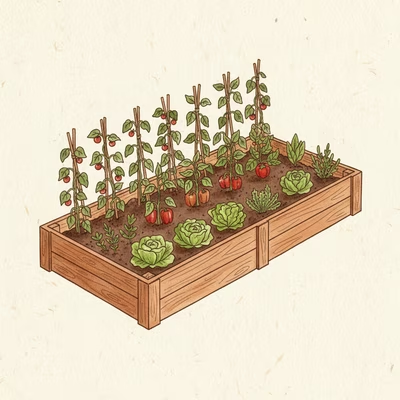
Plan your SFG bed with exact spacing
Willow automatically calculates spacing and shows you where to plant in your raised bed.
Start Planning Free